
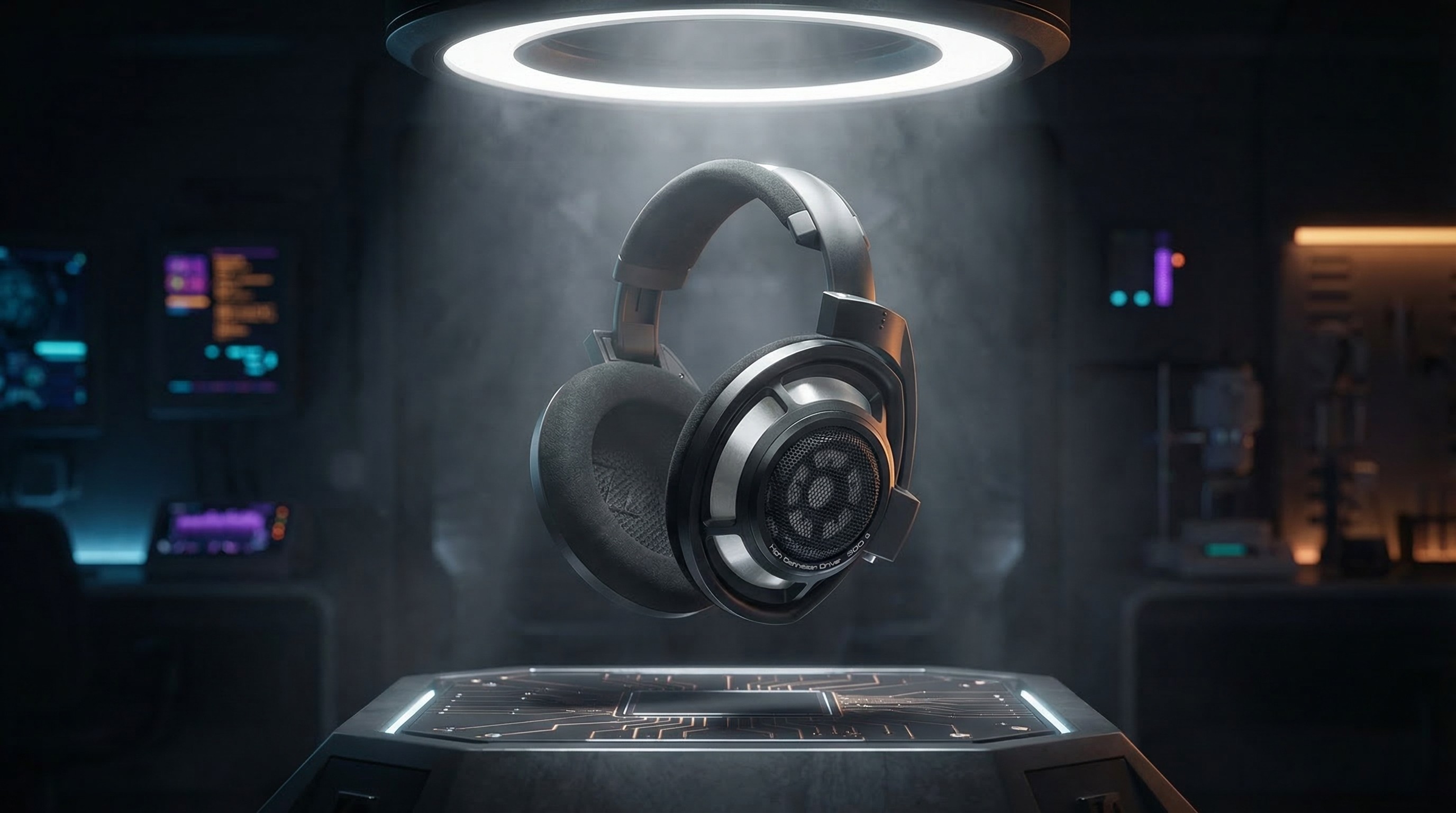
3D product animation is not about replacing photography. It is about doing things photography physically cannot do.
Where the camera can't go, 3D can. And that changes everything about how products get sold.
3D product animation is not about replacing photography. It is about doing things photography physically cannot do. Flying through sealed products. Showing what's inside. Visualizing what hasn't been built yet. When Apple reveals the inside of a chip or Dyson exposes airflow through a motor, they're using 3D because no physical camera could ever get there.

This Is Not a 3D vs. Photography Argument
Let's get this out of the way. Photography is not dying. For certain types of work it remains the strongest option available. Human warmth, tactile realism, real environments, talent interaction, and documentary trust are all things photography handles better than anything else.
But there are things a camera physically cannot do. It cannot fly through a sealed product. It cannot freeze light in midair. It cannot show a product that hasn't been manufactured yet. It cannot generate 40 variations of a hero shot from a single session without rebooking a studio.
3D product animation fills those gaps. Not as a replacement, but as a capability that didn't exist before.
What 3D Product Animation Actually Is
3D product animation is the process of building a digital replica of a product and animating it in a fully controlled virtual environment. Every surface, every reflection, every camera angle, every light source is created and managed digitally. The result can be photorealistic, stylized, or anywhere in between.
For brands this means total creative control. No weather delays. No shipping prototypes to a studio. No limitations on what the camera can do or where it can go.
Where 3D Does What Photography Cannot
The Camera Goes Anywhere
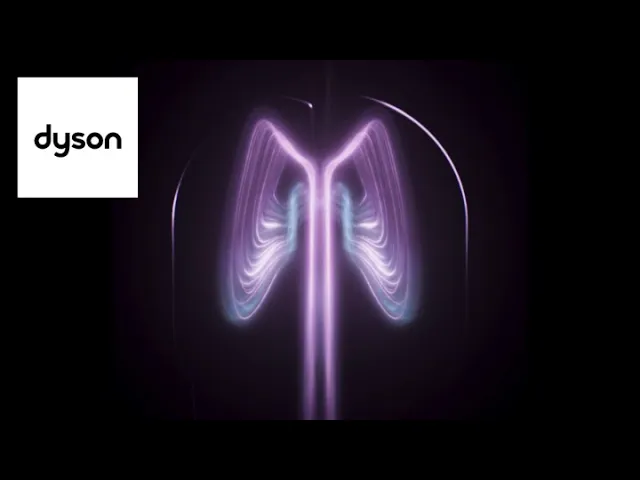
3D animation lets you fly through a sealed bottle, orbit a product at impossible speeds, push inside a mechanism, or pull back to reveal a product floating in an environment that doesn't exist. When Apple reveals the inside of a chip or Dyson shows airflow through a motor, they're using 3D because no physical camera could capture what they need to communicate.
Exploded Views and Internal Reveals
Cutaway renders slice a product open to reveal what's happening inside. Exploded views break products into layers to show how components fit together. These techniques are especially powerful for tech, medical devices, automotive, and any product where the engineering is part of the value story. A photograph can show you the outside. 3D can show you the why.
Products That Don't Exist Yet
Launching a crowdfunding campaign or running pre-order sales before manufacturing is complete? 3D lets you create accurate product imagery from technical drawings alone. No prototype needed. No studio time booked for a product that hasn't shipped from the factory.
Versioning Without Reshooting
Once a 3D model exists, generating new colorways, packaging updates, label changes, or regional variants costs almost nothing compared to reshooting. Traditional photoshoots average around $6,000 per session with no flexibility for changes after. A 3D asset can be updated and redelivered in hours. Enterprise brands have reported cutting production costs up to 70%.
One Asset, Endless Outputs
A single 3D model can generate hero films, social cutdowns, ecommerce renders, 360 spins, retail screens, trade show visuals, vertical crops, and regional adaptations. Photography requires a new shoot for each format. 3D requires a new render. The cost difference compounds at scale.
The Numbers Are Hard to Ignore
Shopify found that 3D and AR powered product visualizations increase conversion rates by up to 94%. Brands using 3D models instead of static 2D images have seen up to 40% higher online conversion rates and up to 30% lift in average sales prices. Rebecca Minkoff found customers were 44% more likely to add items to cart and 65% more likely to place an order after interacting with products in 3D.
When Photography Still Wins
Photography excels with organic materials where tactile qualities matter. Handcrafted products, gourmet food, fashion on real bodies, lifestyle moments with real people. Humans instinctively notice when something looks "too perfect" which can work against you when authenticity is the selling point.
Small catalogs with stable products and infrequent launches may not justify the initial 3D investment. And campaigns built on emotional storytelling, spontaneity, or documentary trust almost always need a real camera in a real room with real people.
What Makes Bad 3D Look Bad
The most common tell is perfection itself. A metal surface with zero scratches. Lighting that doesn't match shadow quality. Razor sharp shadow edges with no gradient. Surfaces that look flat because texture resolution is too low. Over-processed renders with unnatural glares and flashy post production. The real world is imperfect and good 3D understands that.
The smartest studios add subtle wear, micro-imperfections, realistic lens behavior, and film grain. Not to fake anything, but to make digital work feel as natural as what a skilled photographer would capture.
The Bottom Line
3D product animation is not about making photography obsolete. It is about doing things photography physically cannot do. Flying through sealed products. Showing what's inside. Visualizing products before they're built. Generating dozens of variants from a single model. Scaling a campaign across formats without rebooking a single shoot.
The smartest brands today use both. Photography for human moments and tactile trust. 3D for everything the camera can't reach. The question isn't which is better. The question is which tool fits the job.