
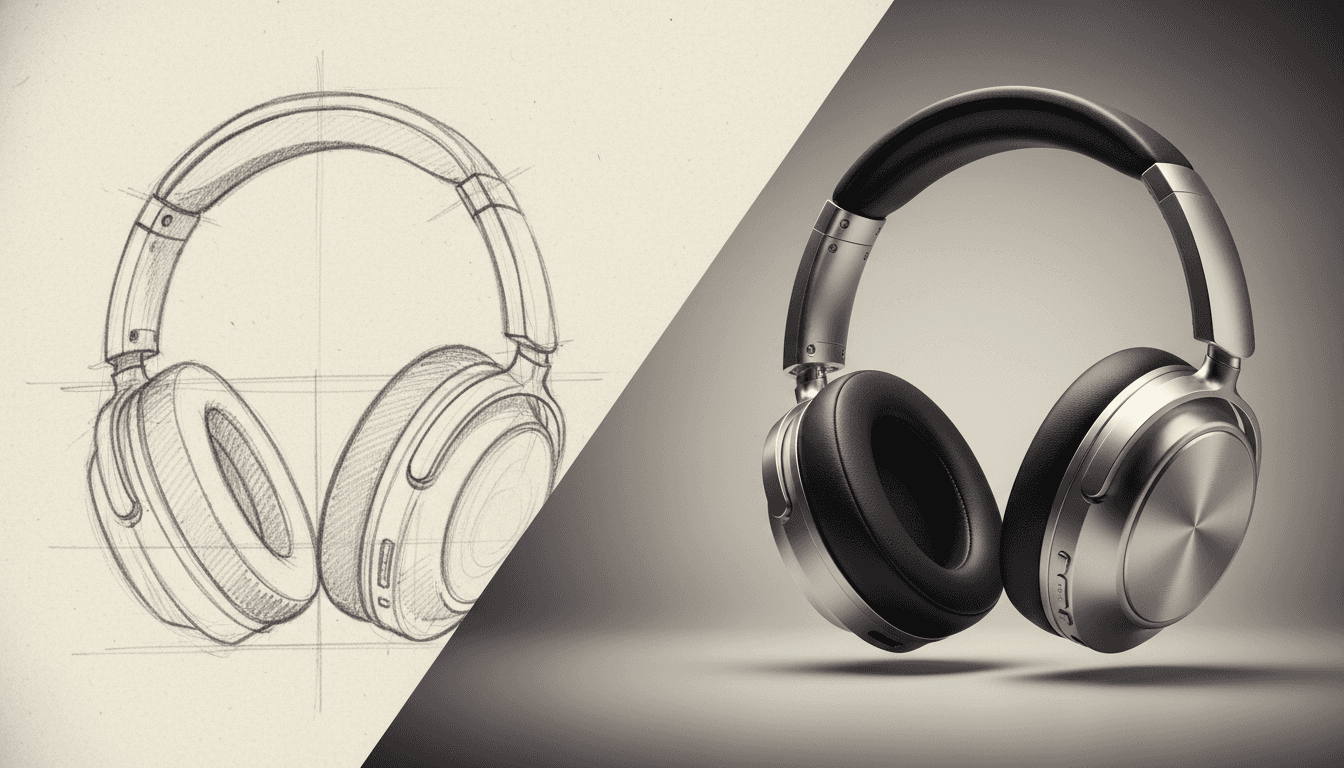
The 3D production process is more structured than most clients expect. And understanding it makes everything go smoother.
What actually happens between the brief and the final render. No jargon. No mystery.
Most clients come into a 3D project with some version of the same question: how does this actually work? The process can feel opaque from the outside. You hand over a brief and weeks later you get a polished film. What happens in between can seem like a black box. It isn't.
The Process Is More Structured Than You Think
A well run 3D campaign follows a clear, structured pipeline with defined phases, approval checkpoints, and collaborative feedback moments. Understanding that pipeline doesn't just reduce anxiety. It makes the work better. The more a client understands the process, the sharper their feedback becomes, the fewer surprises show up late, and the smoother everything moves from start to finish.
Phase One: Discovery and Briefing
Everything starts with the brief. A good brief doesn't need to be long but it does need to be clear. The studio needs to understand the product, the audience, the objective, and the deliverables. What is the product? Who is it for? Where will this content live? What formats and aspect ratios are required? What is the timeline?
What clients typically provide at this stage includes product CAD files or technical drawings, physical dimensions and material specs, packaging artwork, brand guidelines with color codes and fonts, reference images or videos showing the tone they're after, any legal or claims language that must appear, and final delivery specifications.
If CAD files aren't available, studios can build the model from reference photographs and measurements. But that takes longer and introduces small interpretation risks. The more accurate the starting materials, the faster everything moves.
Phase Two: Concept and Direction
Before anyone opens 3D software, the team develops the creative direction. This usually involves moodboards that establish visual tone, color palette, lighting feel, and overall energy. Then come styleframes, which are custom designed still images that show exactly how a frame from the final piece will look. These aren't rough sketches. They're detailed visual previews of lighting, textures, composition, and execution style.
Styleframes exist for one reason: to build alignment before production begins. They let you react to a concrete visual rather than guessing from a written description. Approving styleframes early is one of the most important things a client can do to keep a project on track. When the look is locked, the team can move forward with confidence.
Phase Three: Building the World
This is where the digital product and environment get constructed. Modeling creates the 3D geometry of every object in the scene. Texturing adds surface detail so materials look and behave like real substances. Metal reflects. Glass refracts. Fabric folds. Plastic catches light differently than wood. Every surface is built to respond to light the way its real world counterpart would.
For product work, accuracy here is critical. Dimensions must match. Label artwork must be pixel perfect. Material finishes must reflect the actual product. This is not artistic interpretation. This is digital manufacturing to visual specification.
Phase Four: Animation and Camera
With the assets built, the team plans how the camera moves through the scene and how the product moves within it. Camera language in 3D follows the same principles as live action cinematography. A slow push in builds focus. A wide pull back establishes scale. An orbit creates dimension. Speed, timing, and rhythm all communicate mood before a single word of copy appears.
Previsualization, often called previs, shows the client a rough animated version of the camera moves and product motion before final rendering. It's like watching a rehearsal. The movements are blocked out. The timing is sketched. Nothing is polished yet but you can see the structure and give feedback before the expensive rendering phase begins.
Phase Five: Lighting, Rendering, and Finishing
Lighting is where the image comes alive. Every light source is placed with intention, just like a cinematographer would light a physical set. The rendering process then converts the 3D scene into final frames. This is computationally intensive work. Complex scenes can take hours per frame to render at full quality.
After rendering, compositing layers the elements together. Color grading creates consistency and mood. Sound design adds texture and emotional weight. Final formatting prepares the deliverables for every required platform and specification.
Where Projects Actually Bottleneck
The most common source of delay in 3D production is not the production itself. It's feedback. 67% of video project delays are caused by unstructured feedback cycles rather than production issues. A two day delay in approval doesn't just add two days. It cascades through every dependent task downstream.
Scope changes after production has started are the single largest cause of timeline extensions. Changing a material after lighting is set means re-rendering. Adding a new camera angle after animation is approved means going back several steps. These aren't impossible requests but they have real cost and timeline implications that compound quickly.
The best feedback is specific, visual, and consolidated. One round of clear, collected notes moves faster than five rounds of scattered thoughts. And having a single decision maker on the client side eliminates the bottleneck of conflicting opinions arriving at different times.
What Makes the Process Smooth
Projects that run well share a few things in common. The brief is clear from the start. The client provides accurate product files early. Styleframes get approved before production begins. Feedback arrives on time and from one source. Scope stays stable through production. And both sides treat the process as a collaboration, not a transaction.
None of this requires technical knowledge from the client. It just requires communication, trust in the process, and the understanding that every phase builds on the one before it. Skip a step or rush an approval and the effects ripple forward. Respect the structure and the final work reflects that discipline in every frame.