CG LABS

Creative Strategy

When to Shoot It, When to Build It, When to Blend Both

A practical guide for deciding when live action, CGI, or a hybrid approach makes the most sense for your campaign

CG LABS

Creative Strategy

When to Shoot It, When to Build It, When to Blend Both

A practical guide for deciding when live action, CGI, or a hybrid approach makes the most sense for your campaign

The right production method is never about ideology. It is about what the project actually needs.

Stop defaulting to one approach. Start choosing based on what the work demands.

Most brands default to a production method before they've fully thought through what the project actually requires. Some teams reflexively book a shoot because that's what they've always done. Others push everything into CGI because it feels modern. Neither instinct is a strategy. The smartest production decisions are practical, not ideological.


The Default Is Usually Wrong

Live action, CGI, and hybrid each have genuine strengths. The skill is in knowing which tool fits the job, not which one you're most comfortable with.

When to Shoot It

Live action is strongest when human presence is the point. Real faces convey genuine emotion in ways that are neurologically hardwired into how we process trust. Subtle expressions, body language, the warmth of an unscripted moment. These things cannot be fabricated with the same credibility in CGI.

Shoot it when the story depends on authenticity. Testimonials, brand documentaries, founder stories, lifestyle campaigns where real people interact with real products in real environments. Shoot it when the emotional core of the campaign lives in human connection, spontaneity, or vulnerability.

Shoot it when the product's physical texture is the selling point. Handcrafted goods, food, fashion on real bodies, natural materials where tactile trust matters. Audiences instinctively notice when something feels too perfect, and for categories like these, imperfection is the proof of quality.

Shoot it when the campaign needs to feel documentary, raw, or culturally grounded. There is a credibility that comes from a real camera in a real space that CGI cannot replicate no matter how photorealistic the rendering becomes.

When to Build It

CGI is strongest when the camera needs to go where no physical camera can. Inside a product. Through a sealed mechanism. Into a microscopic world of ingredients. Across impossible scales. Through environments that don't exist yet or can't be built practically.

Build it when the product doesn't exist yet. Pre-launch campaigns, crowdfunding visuals, trade show previews, investor presentations. CGI creates accurate, polished imagery from technical drawings alone without waiting for manufacturing.

Build it when you need control that live action can't provide. Perfect lighting on every surface. Identical framing across thirty product variants. The ability to change a color, update a label, or swap a material without rebooking anything. Photography locks visuals into the angles and conditions of the shoot day. CGI keeps every variable open.

Build it when the campaign needs to scale across formats, regions, and product lines. Once a 3D asset exists, generating new variations costs a fraction of reshooting. For brands with large or rotating inventories, CGI becomes dramatically more cost efficient over the full campaign lifecycle.

Build it when the creative ambition exceeds what is physically possible. Surreal product reveals, gravity-defying camera moves, abstract material explorations, architectural environments at impossible scales. If the idea requires bending reality, CGI is the only production method that can deliver it.

When to Blend Both

Hybrid production combines filmed footage with digital elements to create work that feels grounded in reality but isn't limited by it. This is where some of the strongest modern campaigns live.

Blend when you need human performance plus product perfection. Film the talent, the environment, the emotion on set. Then integrate the product digitally with complete control over lighting, angle, and surface detail. This gives you the authenticity of live action with the precision of CGI in a single frame.

Blend when you need to extend or enhance real environments. A real street that becomes a surreal landscape. A practical set with digitally extended architecture. A filmed interior with a digitally placed product that wasn't physically available during the shoot.

Blend when the campaign needs both trust and spectacle. Nike tailors sports ads regionally using localized VFX versions built on live action footage. IKEA builds digitally rendered room scenes on top of practical photography foundations. Campaigns integrating advanced VFX with live action show average engagement lifts of 30 to 40 percent.

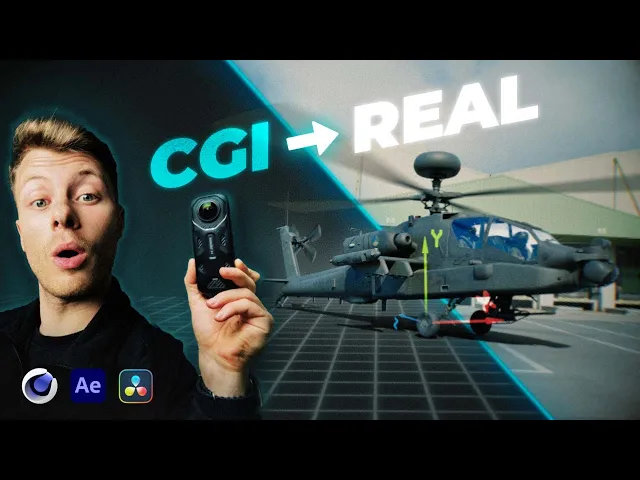
Watch: Nike Vapor Untouchable II — CGI VFX Spot (YouTube)

The Real Tradeoffs

The decision is never just about day one cost. It's about the full lifecycle of the campaign.

Live action is typically faster to produce for simple projects but more expensive to revise. Every change means a reshoot or a compromise in post. Photographic assets have a short lifespan because when campaigns or formats change, the images become outdated and cannot be reused.

CGI has higher upfront investment but dramatically lower revision and adaptation costs. Once the scene is built, changes happen within the existing workflow. No rebooking. No reshooting. Over time this makes CGI significantly more cost efficient for brands with ongoing visual needs.

Hybrid balances both but requires careful planning. The live action and digital elements must be designed to work together from the start. Lighting must match. Camera data must be captured for tracking. Integration done poorly looks worse than either approach done well on its own.

The Mistakes to Avoid

Choosing based on habit instead of project requirements. Assuming live action is always more authentic or that CGI is always more flexible without evaluating the specific brief. Saying "we'll fix it in post" without budgeting for what that actually costs. Changing scope mid-production without understanding the cascade effect on timeline and budget. And the biggest one: making the decision based on trend or personal preference instead of asking what the work actually needs.

The Strategic Question

The right question is never "should we shoot or should we build?" The right question is: what does this project need to communicate, to whom, across what platforms, over what timeframe, and with what flexibility for future adaptation?

Answer that honestly and the production method becomes obvious. Sometimes it's a camera in a room with real people. Sometimes it's a 3D artist building a world from scratch. Sometimes it's both working together. The smartest brands don't pick a side. They pick the right tool for each job. And they work with partners who can advise honestly about which approach will actually serve the work best.

The right production method is never about ideology. It is about what the project actually needs.

Stop defaulting to one approach. Start choosing based on what the work demands.

Most brands default to a production method before they've fully thought through what the project actually requires. Some teams reflexively book a shoot because that's what they've always done. Others push everything into CGI because it feels modern. Neither instinct is a strategy. The smartest production decisions are practical, not ideological.


The Default Is Usually Wrong

Live action, CGI, and hybrid each have genuine strengths. The skill is in knowing which tool fits the job, not which one you're most comfortable with.

When to Shoot It

Live action is strongest when human presence is the point. Real faces convey genuine emotion in ways that are neurologically hardwired into how we process trust. Subtle expressions, body language, the warmth of an unscripted moment. These things cannot be fabricated with the same credibility in CGI.

Shoot it when the story depends on authenticity. Testimonials, brand documentaries, founder stories, lifestyle campaigns where real people interact with real products in real environments. Shoot it when the emotional core of the campaign lives in human connection, spontaneity, or vulnerability.

Shoot it when the product's physical texture is the selling point. Handcrafted goods, food, fashion on real bodies, natural materials where tactile trust matters. Audiences instinctively notice when something feels too perfect, and for categories like these, imperfection is the proof of quality.

Shoot it when the campaign needs to feel documentary, raw, or culturally grounded. There is a credibility that comes from a real camera in a real space that CGI cannot replicate no matter how photorealistic the rendering becomes.

When to Build It

CGI is strongest when the camera needs to go where no physical camera can. Inside a product. Through a sealed mechanism. Into a microscopic world of ingredients. Across impossible scales. Through environments that don't exist yet or can't be built practically.

Build it when the product doesn't exist yet. Pre-launch campaigns, crowdfunding visuals, trade show previews, investor presentations. CGI creates accurate, polished imagery from technical drawings alone without waiting for manufacturing.

Build it when you need control that live action can't provide. Perfect lighting on every surface. Identical framing across thirty product variants. The ability to change a color, update a label, or swap a material without rebooking anything. Photography locks visuals into the angles and conditions of the shoot day. CGI keeps every variable open.

Build it when the campaign needs to scale across formats, regions, and product lines. Once a 3D asset exists, generating new variations costs a fraction of reshooting. For brands with large or rotating inventories, CGI becomes dramatically more cost efficient over the full campaign lifecycle.

Build it when the creative ambition exceeds what is physically possible. Surreal product reveals, gravity-defying camera moves, abstract material explorations, architectural environments at impossible scales. If the idea requires bending reality, CGI is the only production method that can deliver it.

When to Blend Both

Hybrid production combines filmed footage with digital elements to create work that feels grounded in reality but isn't limited by it. This is where some of the strongest modern campaigns live.

Blend when you need human performance plus product perfection. Film the talent, the environment, the emotion on set. Then integrate the product digitally with complete control over lighting, angle, and surface detail. This gives you the authenticity of live action with the precision of CGI in a single frame.

Blend when you need to extend or enhance real environments. A real street that becomes a surreal landscape. A practical set with digitally extended architecture. A filmed interior with a digitally placed product that wasn't physically available during the shoot.

Blend when the campaign needs both trust and spectacle. Nike tailors sports ads regionally using localized VFX versions built on live action footage. IKEA builds digitally rendered room scenes on top of practical photography foundations. Campaigns integrating advanced VFX with live action show average engagement lifts of 30 to 40 percent.

Watch: Nike Vapor Untouchable II — CGI VFX Spot (YouTube)

The Real Tradeoffs

The decision is never just about day one cost. It's about the full lifecycle of the campaign.

Live action is typically faster to produce for simple projects but more expensive to revise. Every change means a reshoot or a compromise in post. Photographic assets have a short lifespan because when campaigns or formats change, the images become outdated and cannot be reused.

CGI has higher upfront investment but dramatically lower revision and adaptation costs. Once the scene is built, changes happen within the existing workflow. No rebooking. No reshooting. Over time this makes CGI significantly more cost efficient for brands with ongoing visual needs.

Hybrid balances both but requires careful planning. The live action and digital elements must be designed to work together from the start. Lighting must match. Camera data must be captured for tracking. Integration done poorly looks worse than either approach done well on its own.

The Mistakes to Avoid

Choosing based on habit instead of project requirements. Assuming live action is always more authentic or that CGI is always more flexible without evaluating the specific brief. Saying "we'll fix it in post" without budgeting for what that actually costs. Changing scope mid-production without understanding the cascade effect on timeline and budget. And the biggest one: making the decision based on trend or personal preference instead of asking what the work actually needs.

The Strategic Question

The right question is never "should we shoot or should we build?" The right question is: what does this project need to communicate, to whom, across what platforms, over what timeframe, and with what flexibility for future adaptation?

Answer that honestly and the production method becomes obvious. Sometimes it's a camera in a room with real people. Sometimes it's a 3D artist building a world from scratch. Sometimes it's both working together. The smartest brands don't pick a side. They pick the right tool for each job. And they work with partners who can advise honestly about which approach will actually serve the work best.