
CG LABS

Creative Studio

How the Best Brands Use CGI to Launch Products That Don't Exist Yet

The product isn't built yet. The campaign is already running. Here's how the biggest brands pull it off.

CG LABS

Creative Studio

How the Best Brands Use CGI to Launch Products That Don't Exist Yet

The product isn't built yet. The campaign is already running. Here's how the biggest brands pull it off.

Why the smartest product launches start in CGI, not on the factory floor.

The playbook behind pre-launch campaigns built entirely from 3D renders.

Apple reveals a new iPhone and the internet floods with perfectly lit product shots within minutes. Every angle. Every color. Every detail rendered in flawless clarity. But those images aren't photographs. The physical product barely exists yet. What you're looking at is CGI, created from engineering files months before mass production even begins. Apple isn't the exception. They're the blueprint.


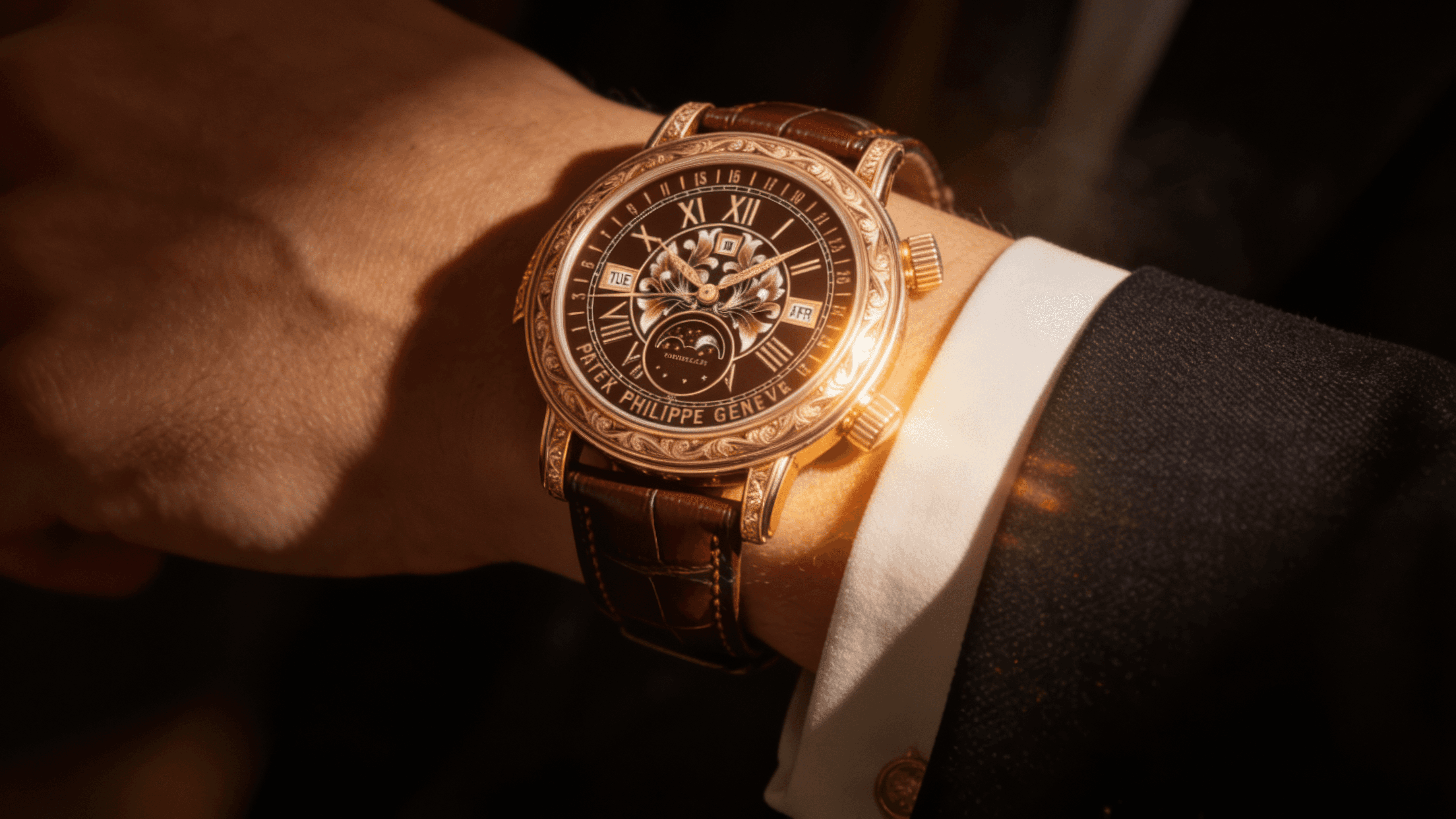
The Old Timeline Is Broken

Traditional product marketing follows a painfully linear path. Design the product. Build the prototype. Manufacture it. Ship a sample to the studio. Photograph it. Edit. Approve. Distribute. By the time the marketing team has campaign ready assets, months have passed. The market window has narrowed. Competitors have moved.

CGI breaks that sequence entirely. The moment a product's CAD files or design specifications exist, a 3D team can start building photorealistic visuals. Marketing and manufacturing run in parallel instead of in sequence. Pre order pages go live with polished imagery. Paid ads start running. Social content drops. Trade show materials are printed. All before a single unit rolls off the production line.

Who's Already Doing This

Apple models every new device in 3D for their launch presentations and marketing materials because physical units simply aren't available until right before release. Samsung does the same with their Galaxy lineup. OnePlus commissioned a fully CGI product video and campaign for the Nord N20 5G instead of a traditional photo shoot, creating a futuristic visual system entirely through 3D animation.

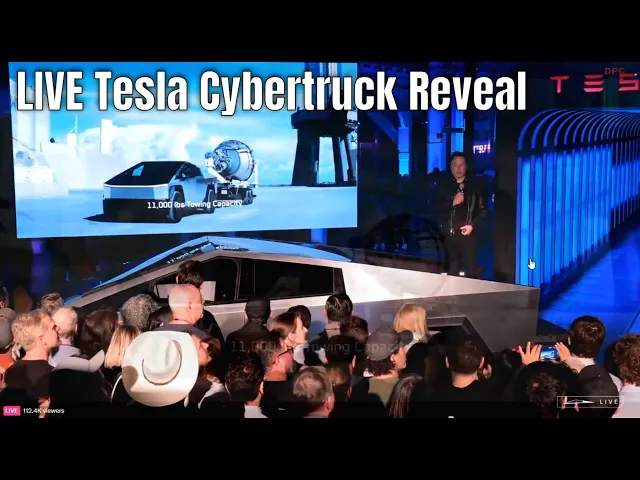
In automotive, this approach is standard. Every major car manufacturer from BMW to Tesla uses 3D rendering to produce marketing materials months or even years before a vehicle reaches production. Configurators, advertisements, brochures, and launch event visuals are all CGI. The car you see in the commercial often doesn't physically exist in that color, trim, or environment.

Dyson used photorealistic CGI for packaging and global marketing imagery while their products were still in the prototype phase. The renders were created concurrently with manufacturing, which meant the marketing campaign was ready the moment production finished.

Watch: Apple September Event 2024 — iPhone 16 Reveal (YouTube)

Why This Changes the Game for Smaller Brands

This isn't just a strategy for companies with billion dollar budgets. The same approach works for any brand launching a physical product. Crowdfunding campaigns on Kickstarter and Indiegogo have been built on CGI renders for years. Backers pledge money based on 3D visualizations of products that are still in development. The renders serve as both the marketing and the proof of concept.

For direct to consumer brands, CGI pre launch campaigns mean you can test market response before committing to a full production run. Run ads with rendered product shots. Measure click through rates and conversions. Gauge demand. Then manufacture with confidence instead of guessing.

Shopify found that online stores using 3D and AR product representations see a 94% higher conversion rate. That stat applies whether the product is sitting in a warehouse or still being tooled in a factory.

What You Need to Make It Work

The starting point is accurate design data. CAD files, technical drawings, material specifications, and color references give a 3D team everything they need to build a model that's indistinguishable from the real product. The more precise the data, the more photorealistic the output.

From there, the 3D model becomes the foundation for an entire visual ecosystem. Product page hero shots. Social media stills and animations. Video content for ads and launch events. AR experiences that let customers preview the product in their own space. All from a single digital asset, all before the product ships.

The key is involving the 3D team early. Not after the product is finalized but while it's still in development. Changes to materials, colors, or form factors can be reflected in the renders quickly. The visual campaign evolves alongside the product instead of waiting for it.

The Competitive Advantage Nobody Talks About

Speed to market isn't just about manufacturing. It's about speed to attention. The brand that shows up first with polished, compelling visuals owns the narrative. By the time competitors launch their campaigns with traditional photography, you've already captured pre orders, built an audience, and established the product in people's minds.

CGI pre launch campaigns also give you something photography never can: the ability to show versions of the product that don't physically exist. Colorways you're considering but haven't committed to. Limited edition variants you want to test. Packaging concepts you're still debating. You can put all of them in front of real audiences and let data drive the final decisions.

How to Start

Pick your next product launch. Instead of waiting for a production sample to arrive before starting the campaign, send your design files to a 3D studio the moment the product design is locked. Build your hero visuals, social content, and ad creative in CGI while manufacturing runs. Launch your pre order campaign or teaser content weeks before the product is available.

The brands that consistently win launch windows aren't the ones with the best products. They're the ones whose marketing was ready before anyone else's. And increasingly, that readiness is built in CGI.

Why the smartest product launches start in CGI, not on the factory floor.

The playbook behind pre-launch campaigns built entirely from 3D renders.

Apple reveals a new iPhone and the internet floods with perfectly lit product shots within minutes. Every angle. Every color. Every detail rendered in flawless clarity. But those images aren't photographs. The physical product barely exists yet. What you're looking at is CGI, created from engineering files months before mass production even begins. Apple isn't the exception. They're the blueprint.


The Old Timeline Is Broken

Traditional product marketing follows a painfully linear path. Design the product. Build the prototype. Manufacture it. Ship a sample to the studio. Photograph it. Edit. Approve. Distribute. By the time the marketing team has campaign ready assets, months have passed. The market window has narrowed. Competitors have moved.

CGI breaks that sequence entirely. The moment a product's CAD files or design specifications exist, a 3D team can start building photorealistic visuals. Marketing and manufacturing run in parallel instead of in sequence. Pre order pages go live with polished imagery. Paid ads start running. Social content drops. Trade show materials are printed. All before a single unit rolls off the production line.

Who's Already Doing This

Apple models every new device in 3D for their launch presentations and marketing materials because physical units simply aren't available until right before release. Samsung does the same with their Galaxy lineup. OnePlus commissioned a fully CGI product video and campaign for the Nord N20 5G instead of a traditional photo shoot, creating a futuristic visual system entirely through 3D animation.

In automotive, this approach is standard. Every major car manufacturer from BMW to Tesla uses 3D rendering to produce marketing materials months or even years before a vehicle reaches production. Configurators, advertisements, brochures, and launch event visuals are all CGI. The car you see in the commercial often doesn't physically exist in that color, trim, or environment.

Dyson used photorealistic CGI for packaging and global marketing imagery while their products were still in the prototype phase. The renders were created concurrently with manufacturing, which meant the marketing campaign was ready the moment production finished.

Watch: Apple September Event 2024 — iPhone 16 Reveal (YouTube)

Why This Changes the Game for Smaller Brands

This isn't just a strategy for companies with billion dollar budgets. The same approach works for any brand launching a physical product. Crowdfunding campaigns on Kickstarter and Indiegogo have been built on CGI renders for years. Backers pledge money based on 3D visualizations of products that are still in development. The renders serve as both the marketing and the proof of concept.

For direct to consumer brands, CGI pre launch campaigns mean you can test market response before committing to a full production run. Run ads with rendered product shots. Measure click through rates and conversions. Gauge demand. Then manufacture with confidence instead of guessing.

Shopify found that online stores using 3D and AR product representations see a 94% higher conversion rate. That stat applies whether the product is sitting in a warehouse or still being tooled in a factory.

What You Need to Make It Work

The starting point is accurate design data. CAD files, technical drawings, material specifications, and color references give a 3D team everything they need to build a model that's indistinguishable from the real product. The more precise the data, the more photorealistic the output.

From there, the 3D model becomes the foundation for an entire visual ecosystem. Product page hero shots. Social media stills and animations. Video content for ads and launch events. AR experiences that let customers preview the product in their own space. All from a single digital asset, all before the product ships.

The key is involving the 3D team early. Not after the product is finalized but while it's still in development. Changes to materials, colors, or form factors can be reflected in the renders quickly. The visual campaign evolves alongside the product instead of waiting for it.

The Competitive Advantage Nobody Talks About

Speed to market isn't just about manufacturing. It's about speed to attention. The brand that shows up first with polished, compelling visuals owns the narrative. By the time competitors launch their campaigns with traditional photography, you've already captured pre orders, built an audience, and established the product in people's minds.

CGI pre launch campaigns also give you something photography never can: the ability to show versions of the product that don't physically exist. Colorways you're considering but haven't committed to. Limited edition variants you want to test. Packaging concepts you're still debating. You can put all of them in front of real audiences and let data drive the final decisions.

How to Start

Pick your next product launch. Instead of waiting for a production sample to arrive before starting the campaign, send your design files to a 3D studio the moment the product design is locked. Build your hero visuals, social content, and ad creative in CGI while manufacturing runs. Launch your pre order campaign or teaser content weeks before the product is available.

The brands that consistently win launch windows aren't the ones with the best products. They're the ones whose marketing was ready before anyone else's. And increasingly, that readiness is built in CGI.